Author: thedreamkitadmin

  • Everything You Want To Know About Butt Implants!

    Various procedures can help to enhance the shape of your buttocks. Among the popular breast augmentation procedures are butt implants and the Brazilian Butt Lift (BBL). Now, although the BBL imparts natural-looking results, butt implants are still favored by many women and celebs worldwide.

    Let’s move on to the types of butt implants, their costs, the related risks, and beyond.

    All About Butt Implants

    Butt implants (or gluteal implants) are positioned around the buttocks region via surgery to improve your butt shape and increase its volume. These implants have a hard outer shell that is packed with saline or silicone gel. You have a wide choice in types and sizes of butt implants to take your pick from.

    A Range of Butt Implants is Available

    You can choose among the following types of butt implants:

    Ø  Round implants lend a fuller and curvy look to your buttocks.

    Ø  Along with fullness, oval implants provide a subtle and natural-looking lift to the buttocks.

    Ø  Anatomical implants impart a highly contoured look while mimicking the natural teardrop shape of the breasts.

    The Butt Implants Surgical Procedure

    Ø  Anesthesia is given: The patient is administered general anesthesia to keep them comforted during the procedure.

    Ø  Incisions are drawn: The buttocks join with the lower back at the gluteal crease, where incisions are made to insert the butt implants.

    Ø  Pocket is created: A pocket is created within the fat and muscle layers of the buttocks to place the implants.

    Ø  Implants are inserted: The chosen implant is inserted and positioned within the pocket.

    Ø  Incisions are closed: The incisions are closed via surgical staples or sutures in the final step.

    As part of this procedure, a bandage is applied to provide compression to the buttocks to minimize swelling and discomfort. Also, the patient can leave the clinic two hours after the surgery.

    The patient experiences discomfort for several days after the procedure, requiring help from others for their meals and movements.
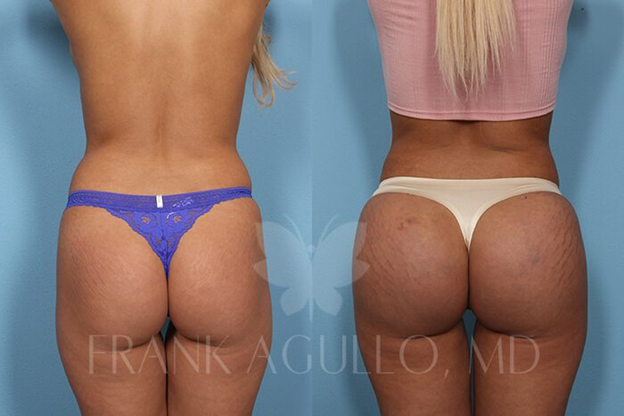
     Link: https://www.agulloplasticsurgery.com/photo-gallery/butt-implants/

    Furthermore, the patient’s taped dressing is removed 2 to 3 days following the procedure. Thereafter, the patient can move around and take showers. The results are visible immediately after the surgery, although the buttocks become softer and look more natural when the muscle starts stretching for a few months after the surgical procedure.

    What is the Average Cost of Butt Implants in India?

    Butt implant surgeries are cheaper in India as compared to other countries. The average cost of butt implants in India ranges between INR 140000 to INR 320000.

    Now, there are various factors that determine the cost of butt implants. Type of hospital, surgery, sedatives, and room are some factors influencing the charges of this butt augmentation procedure. In addition to that, the technology deployed, the qualification and expertise of the surgeon, and the extent of the surgery required are other aspects determining the surgery costs.

    The Various Benefits of Butt Implants

    Ø  Improves self-image and boosts self-confidence

    Ø  Gives a youthful shape to the buttocks

    Ø  Lends a proportional look

    Ø  Provides support for leading an active lifestyle

    Ø  Adds volume to the buttocks and improves their shape

    Ø  Imparts long-lasting results

    Ø  Corrects unevenness for better symmetry

    Ø  Offers a broad range of sizes and shapes to select from, based on your cosmetic goals

    How Safe are Butt Implants?

    Although butt implants are considered safe and have a high success rate, they pose some risks. These include infectivity, scarring, pain, excessive bleeding, fluid accumulation around the buttocks, skin loss, allergic reactions, nausea, and vomiting. Make sure to discuss all the related risks with your surgeon beforehand to know what to expect and prepare yourself accordingly.

    How do Butt Implants Work?

    Butt implants are considered permanent, having a high success rate. Nonetheless, it takes three months for the astounding results to start showing. In addition to that, there may be times when the implants break or shift, for which you may need follow-up surgery to maintain the results.

    Pre-Surgery Guidelines

    Ø  Avoid Aspirin, blood thinning medication, and anti-inflammatory drugs 2 weeks before the procedure.

    Ø  Stop smoking 1 month before the surgery and do not smoke even during the recovery period, reducing your risk of complications.

    Ø  Consume vitamin-C supplements 3 to 4 weeks before the surgical procedure and continue to do so even after the procedure to promote the healing process.

    Ø  If you develop a cold, fever, or infection prior to the surgery, you should inform the clinic immediately.

    Ø  Use antibacterial soap to wash the body on the day of surgery.

    Ø  Adhere to the doctor’s instructions about your diet and medication.

    Ø  Wear loose clothing on the day of surgery for greater comfort and to stay cool.

    Book Your Butt Implant Surgery Appointment Today!

    Have you decided to get butt implants to flaunt an enviable figure? If yes, walk into Kosmoderma Clinic for a detailed consultation to help us understand your aesthetic goals and preferences. With butt implants, not only do your clothes fit better but also your confidence levels get a big boost.

    Contact our experienced team of surgeons to know your options in butt implants and schedule your surgery now!

    FAQs

    1. How to recover after the butt implant surgery?

    You are not allowed to sit down or lie on your back for 2 to 3 weeks after the surgery. Moreover, do not drive or exercise for 3 weeks post-treatment for your fast recovery.

    2. Why to consider butt implants?

    People opt for butt implants due to various reasons. These include low butt volume, flat buttocks, change in butt volume or shape after pregnancy, lack of butt projection, unflattering size and shape of buttocks. Also, people who want a more proportionate butt size consider butt implant surgeries.

    3. Do butt implants last for long?

    Butt implants can improve the contours of the buttocks. Also, the results of a successful butt implant surgery last for long. If you choose silicone butt implants, they last for 10 years or more. On the other hand, if patients are not happy with the results, it could lead to loss of self-esteem. That’s why you must choose butt implants that match your body frame and type.

  • HIFU Anti-Aging Non-Surgical Facelift: Is it Good for Your Face, Neck, and Body?

    In recent years, the beauty and aesthetics industry has experienced a shift towards non-invasive treatments for skin tightening and lifting, and High-Intensity Focused Ultrasound (HIFU) has emerged as one of the most popular choices. Promising remarkable results without the need for surgery, HIFU provides an excellent non-invasive alternative to traditional facelifts. But just how effective is HIFU for the face, neck, and body? What can you anticipate both before and after the procedure?

    At Kosmoderma, we offer advanced HIFU treatments customized to rejuvenate and lift sagging skin, targeting common issues like wrinkles, loss of elasticity, and general skin laxity. In this blog, we’ll explore how HIFU works, its benefits, and whether it’s the right option for you.

    What is HIFU?

    HIFU (High-Intensity Focused Ultrasound) is a non-surgical cosmetic procedure that utilizes targeted ultrasound energy to reach deep beneath the skin’s surface. This energy stimulates the synthesis of collagen, a vital protein that helps maintain skin firmness and elasticity. Unlike traditional facelifts that require incisions, HIFU works from within, promoting a natural regeneration process.

    The ultrasound waves heat the tissue layers beneath the skin, stimulating the body’s natural healing process. As collagen synthesis increases, the skin becomes firmer and tighter, resulting in a natural, lifted appearance. This makes HIFU a popular option for patients seeking non-invasive alternatives to facelifts, neck lifts, and even body contouring procedures.

    How Does HIFU Work?

    During a HIFU session, ultrasound energy is precisely concentrated on specific areas beneath the skin’s surface. The heat generated by the ultrasound waves helps tighten the skin by stimulating collagen synthesis at the dermal level. This results in smoother, firmer skin over time.

    Unlike laser treatments that work on the skin’s outer layers, HIFU targets deeper skin tissues. It’s crucial to note that the procedure doesn’t leave any visible marks, or scars, or require downtime, making it a suitable option for those with busy lifestyles.

    Key Benefits of HIFU

    HIFU’s non-invasive nature has made it a go-to treatment for many seeking subtle yet effective skin rejuvenation. The key benefits include:

    • Smooth Out Wrinkles: HIFU enhances the production of collagen, which aids in smoothing the skin and reducing the appearance of fine lines and wrinkles. Additionally, it prevents new wrinkles from forming by maintaining skin firmness and elasticity.
    • Lift and Tighten Sagging Skin: By enhancing skin cell regeneration and improving elasticity, HIFU effectively lifts and tightens sagging skin, particularly in areas like jowls, cheeks, chin, around the eyes, and brows.
    • Enhance Jawline and Cheekbone Definition: HIFU’s skin-tightening action enhances the natural contours of the jawline and cheekbones, resulting in a more youthful and well-defined facial structure.
    • Achieve Natural-Looking Results: HIFU works with your skin’s natural processes to deliver subtle, yet noticeable improvements. Unlike surgical choices, it doesn’t alter your appearance dramatically but improves your natural beauty with gradual, realistic results.
    • Non-Invasive, Safe, and Effective: HIFU provides a safe, non-invasive solution to skin aging, requiring no surgery, anesthesia, or recovery time. It delivers impressive results comparable to a surgical facelift, but without the risks, downtime, or intensive aftercare.
    • Customizable Treatment: HIFU is versatile, allowing it to be used on the face, neck, and specific areas of the body to address skin laxity.

    HIFU Before and After

    One of the main reasons patients opt for HIFU is the visible transformation it provides. Here’s a breakdown of what you can expect before and after your HIFU treatment:

    Before the Procedure:

    Before undergoing HIFU, you’ll have a consultation with an expert at Kosmoderma. This allows the specialist to assess your skin type, identify areas of concern, and create a customized treatment plan that addresses your unique needs.

    Preparation:

    The great news is that HIFU doesn’t need extensive preparation. Simply arrive with clean, makeup-free skin, ready to experience the treatment.

    Consultation:

    During your consultation, your specialist will explain the procedure, and expected results, and provide post-treatment care guidelines.

    After the Procedure:

    Most individuals can resume their usual activities immediately following HIFU treatment. While there may be slight redness or swelling, these side effects usually subside within a few hours.

    Immediate Effects:

    Some patients may notice a slight tightening effect right after the procedure. However, the full results will gradually appear over the next 2 to 3 months as new collagen forms.

    Long-Term Effects:

    The skin will continue to lift and firm over the next 6 months, with results lasting up to 2 years depending on factors such as age, lifestyle, and skin issues.

    Is HIFU effective for the face, neck, and body?

    • HIFU for the Face: HIFU is widely recognized for its capacity to rejuvenate the face by tightening and lifting sagging skin. It is especially effective on areas such as the forehead, cheeks, jawline, and under-eye region, reducing fine lines, and wrinkles, and improving skin texture. Patients who undergo facial HIFU report a more contoured and youthful appearance.
    • HIFU for the Neck: The neck is one of the first areas to show signs of aging, making it a prime candidate for HIFU treatment. Whether you’re struggling with a “turkey neck” or horizontal lines, HIFU can remarkably enhance the neck’s overall appearance, offering a smoother, firmer neckline.
    • HIFU for the Body: While HIFU is primarily known for facial treatments, it’s also effective for body contouring. Common areas treated with HIFU include the upper arms, abdomen, thighs, and buttocks. By targeting areas with mild to moderate skin laxity, HIFU can help firm and tone the skin, offering a smoother, more youthful appearance over time.

    Who is the Ideal Candidate for HIFU?

    • HIFU is best suited for people aged 30 to 50 who are starting to experience mild to moderate skin laxity.
    • It’s the best choice for those who want to address the early signs of aging, such as fine lines, sagging skin, and wrinkles, without undergoing surgery.
    • However, individuals with more advanced skin laxity may need a surgical facelift for more dramatic outcomes.

    At Kosmoderma, our experts will assess your skin and offer personalized recommendations to help you achieve your aesthetic goals.

    Aftercare for HIFU:

    While there’s little to no downtime after HIFU, following the right aftercare routine will help ensure the best results:

    Avoid direct sun exposure:

    Apply a broad-spectrum sunscreen with SPF 30 or higher to shield your skin from UV damage.

    Stay Hydrated:

    Keep your skin hydrated by using a quality moisturizer daily.

    Avoid heat treatments:

    For at least 48 hours post-treatment, avoid hot showers, saunas, or intense exercise to prevent skin irritation.

    Conclusion

    HIFU provides a promising non-surgical facelift choice for those seeking to rejuvenate their skin without the downtime associated with traditional surgery. At Kosmoderma, our experts are dedicated to offering personalized care and treatment plans tailored to your unique skin concerns.

    Whether you’re interested in lifting and tightening your face, neck, or body, HIFU can deliver impressive results that enhance your natural beauty. If you’re ready to unveil a more youthful appearance, schedule a free consultation with us today to learn more about HIFU and how it can benefit you.

    FAQs

    1) How many HIFU sessions will I need for optimal results?

    Most patients usually need one to three HIFU sessions to achieve their desired results, based on their individual skin condition and aesthetic goals. Your skincare specialist at Kosmoderma will offer personalized recommendations during your consultation.

    2) Are there any side effects associated with HIFU?

    HIFU is commonly considered safe and well-tolerated. Common side effects may include slight redness, swelling, or tenderness in the treated areas, but these typically subside within a few hours. HIFU provides minimal recovery time compared to surgical alternatives, enabling you to get back to your routine almost right away.

    3) How long do the results of HIFU last?

    HIFU treatment results can last between 1 to 2 years, influenced by factors like age, skin health, and lifestyle habits. Over time, the body’s natural aging process may lead to a gradual reduction in effects, but many patients enjoy sustained improvements in skin firmness and elasticity. Regular maintenance treatments can help prolong results.

  • Botox & Fillers: Uses, Effects, and Differences

    When it comes to non-surgical cosmetic procedures, Botox and dermal fillers are two of the most popular treatments, with over 9 million procedures performed in 2015, according to the American Society of Plastic Surgeons (ASPS). Although both are minimally invasive and involve injections, they target different cosmetic concerns. Understanding their distinct uses and effects can help you choose the right treatment for your needs.

    What is Botox?

    Botox is a refined form of botulinum toxin, a neurotoxin that acts by temporarily paralyzing the muscles where it’s injected. By blocking nerve signals, Botox reduces the movement of muscles responsible for forming dynamic wrinkles, which are lines caused by facial expressions such as smiling, frowning, or squinting.

    Uses of Botox

    • Reduces dynamic wrinkles: Commonly used for wrinkles on the upper face, such as crow’s feet, forehead lines, and frown lines.
    • Prevents new wrinkles: By stopping muscle movement, Botox can prevent the formation of new expression lines.
    • Medical uses: Beyond cosmetics, Botox is FDA-approved for medical conditions like migraines, hyperhidrosis (excessive sweating), muscle spasms, and overactive bladder.

    Effects of Botox

    • Visible results often appear within 3 to 5 days, with the full impact becoming evident after approximately one week.
    • The effects of Botox typically persist for 3 to 4 months, after which muscle activity slowly resumes, requiring follow-up treatments to sustain the results.

    Risks and Side Effects

    • Temporary side effects may involve slight bruising, localized swelling at the injection site, or minor headaches.
    • Rare but possible complications include drooping of the eyelid or eyebrow if injected too close to the eye.

    What are Dermal Fillers?

    Dermal fillers are substances injected beneath the skin to restore lost volume, smooth lines, and improve facial contours. Unlike Botox, which works by freezing muscles, fillers are used to restore volume in areas of the face that have diminished due to aging.

    Types of Dermal Fillers

    • Hyaluronic Acid (HA): A naturally occurring substance in the skin, HA fillers (such as Juvederm and Restylane) are usually used to add volume to lips, and cheeks, and reduce wrinkles.
    • Calcium Hydroxylapatite (CaHA): This filler (Radiesse) stimulates collagen production and is usually used for deeper wrinkles and improving the jawline.
    • Poly-L-lactic Acid: A collagen stimulator, this filler (Sculptra) helps gradually restore facial volume by promoting collagen growth over time.

    Uses of Dermal Fillers

    • Enhance facial volume: Fillers effectively enhance thinning lips, and cheeks, and also address under-eye hollows.
    • Smooth deep wrinkles: Commonly used for static wrinkles, which are visible even without muscle movement. These include nasolabial folds (smile lines) and marionette lines around the mouth.
    • Contour the face: Fillers can be used to reshape the jawline, nose, and chin for a more defined appearance.

    Effects of Dermal Fillers:

    • Results are quick, with full effects noticeable after any swelling subsides.
    • The longevity of fillers varies by type: Hyaluronic acid fillers last 6-18 months, while Calcium Hydroxylapatite and Poly-L-lactic acid fillers can last up to 2 years.

    Risks and Side Effects:

    • Potential side effects may involve redness, mild swelling, or bruising around the injection area.
    • Rare complications include lumps or an asymmetrical appearance, which may need correction.

    Key Differences Between Botox and Fillers

    1) Purpose:

    • Botox: Botox is primarily applied to treat dynamic wrinkles, which result from muscle activity, such as crow’s feet or forehead lines.
    • Fillers: Best for adding volume to areas of the face that have lost fullness, like the cheeks and lips, and for smoothing deep wrinkles.

    2) Duration of Results:

    • Botox: Typically lasts 3-4 months.
    • Fillers: Fillers can offer results that usually last anywhere from six months up to two years, depending on the specific type used.

    3) Treatment Areas:

    • Botox: Most effective for wrinkles on the upper face (forehead, crow’s feet, frown lines).
    • Fillers: Mainly used for the mid to lower face (cheeks, lips, jawline, and nasolabial folds).

    4) Mechanism:

    • Botox: Works by temporarily paralyzing the muscles responsible for expression lines.
    • Fillers: Restore volume to the face and fill in deep lines, offering a smoother, fuller appearance.

    5) Effectiveness:

    • Botox: Best for preventing new wrinkles and treating active expression lines.
    • Fillers: Suitable for rejuvenating the face by adding volume and enhancing contours.

    When to Choose Botox vs. Fillers

    Selecting between Botox and dermal fillers depends on your specific cosmetic goals. If you’re seeking to smooth out fine lines and wrinkles caused by facial expressions, Botox is the better choice. On the other hand, if you need to address deep wrinkles, restore volume, or enhance facial contours, fillers are more suitable.

    Combining Botox and Fillers for Optimal Results

    The cost of GFC therapy in Bangalore varies depending on the clinic, the expertise of the practitioners, and the number of sessions required. On average, you can expect to pay between₹5,000 and₹6,000 per session. It’s advisable to consult with local clinics for a detailed estimate and to understand what is included in the cost.

    Conclusion

    Clinical studies have shown that combining Botox and dermal fillers offers more comprehensive and longer-lasting facial rejuvenation than using either treatment alone. By targeting both dynamic wrinkles (with Botox) and volume loss (with fillers), patients experience a more balanced, natural-looking enhancement.

    Clinical Evidence

    • A study published in the Journal of Clinical and Aesthetic Dermatology suggests that combining Botox and fillers improved patient satisfaction rates by up to 90%, compared to just 65-75% with standalone treatments.
    • Another clinical trial conducted by the American Society for Dermatologic Surgery (ASDS) indicates that patients who underwent both Botox and filler treatments saw longer-lasting results, with the effects of Botox extending beyond the typical 3-4-month period when used alongside fillers.

    By addressing both the upper face (Botox) and mid-to-lower face (fillers), the combination approach maximizes the aesthetic outcome, providing a more youthful and rejuvenated appearance.

    Dr. Chytra V Anand, a leading expert in India with the highest number of Botox and filler injections performed, ensures you receive safe, personalized treatments at Kosmoderma. Experience cutting-edge, FDA-approved facial rejuvenation techniques that enhance your natural beauty. Schedule your consultation now to start working toward your beauty goals!

    Conclusion

    Botox and dermal fillers are the best, non-surgical choices for facial rejuvenation. Understanding how the two treatments differ helps you make the best choice for your specific needs. Consult with a professional to develop a treatment plan tailored to your unique needs, whether you’re looking to smooth wrinkles, restore volume, or achieve a combination of both.

  • GFC vs. PRP: What’s Best for You? Growth Factor Therapy for Hair: 10 Myths Debunked

    Hair loss can be very challenging for both men and women, and the right treatment is pretty important. Among several hair restoration treatments that have gained recognition in recent times, Growth Factor Concentrate (GFC) and Platelet-Rich Plasma (PRP) stand out. Both therapies offer promising results, but understanding their differences and addressing common myths can help you make an informed decision. In this blog, we’ll compare GFC and PRP, debunk myths about growth factor therapy, and discuss the cost of GFC in Bangalore.

    Understanding GFC and PRP

    What is GFC?

    • GFC is an advanced and highly safe hair restoration treatment that involves injecting a concentrated mix of growth factors, extracted from your blood, directly into the scalp.
    • These growth factors, such as Vascular Endothelial Growth Factor (VEGF), Epidermal Growth Factor (EGF), Platelet-derived Growth Factor (PDGF), and Insulin-like Growth Factor-1 (IGF-1) play important roles in promoting cell growth, repair, and the development of new blood vessels.
    • GFC targets hair follicles to stimulate growth, improve follicle health, enhance hair thickness, and reduce hair loss, offering an effective solution for those looking to stop their hair from thinning and going bald.

    What is PRP?

    • PRP therapy includes taking a small amount of your blood, processing it to concentrate the platelets, and then injecting this concentrated plasma back into your scalp.
    • Platelets are rich in special proteins that help you in healing, blood clotting, and cell growth.
    • PRP therapy leverages these proteins, growth factors, and stem cells to stimulate hair follicles and promote new hair growth.
    • This treatment is widely used for various types of hair loss and can effectively enhance your appearance by improving follicle health and stimulating the regeneration of healthy hair.

    GFC vs. PRP: Key Differences

    1) Composition and Preparation:

    The key difference between GFC and PRP lies in their preparation. GFC involves isolating specific growth factors from your blood, which are then concentrated for targeted treatment. PRP, on the other hand, involves concentrating the platelets from your blood, which contain a broader range of growth factors. GFC may provide a more focused approach, while PRP offers a more generalized treatment.

    2) Effectiveness:

    Both GFC and PRP are good at helping hair grow, but the results can be different for each person. GFC uses specific growth factors that might work better for some people, while PRP is more widely used and has been studied a lot with good results. How well each treatment works for you depends on your unique hair loss situation and your overall health.

    3) Treatment Frequency:

    Usually, both GFC and PRP require multiple sessions to achieve the best results. The number of sessions needed can vary depending on the severity of hair loss and how well you respond to the treatment. A consultation with a dermatologist can help determine the best treatment plan for you.

    10 Common Myths About Growth Factor Therapy

    • Myth: GFC and PRP Are Identical: Facts: While both GFC and PRP therapies involve using your blood to stimulate hair growth, they are not the same. GFC targets specific growth factors, whereas PRP uses a broader range of platelets. This difference means they work in slightly different ways and may produce different results.
    • Myth: Growth Factor Therapy Is Painful: Fact: Many people worry about pain during GFC or PRP treatments, but most only experience mild discomfort. These procedures involve small injections that may cause a bit of discomfort, but it’s generally manageable and brief.
    • Myth: Results Appear Immediately: Fact: Hair growth stimulated by GFC or PRP requires time. It can take a few weeks before you see noticeable changes. Both therapies need patience and consistent treatment to achieve good results.
    • Myth: Growth Factor Therapy is Only Effective for Advanced Hair Loss: Fact: GFC and PRP aren’t just for severe cases of hair loss. They can be effective at various stages, even if you’re just starting to notice thinning hair. Early treatment can help enhance your hair’s health and promote new growth.
    • Myth: There Are No Risks Involved: Fact: While GFC and PRP are generally safe, they are still medical procedures and carry some risks, like infection or allergic reactions. However, choosing a qualified provider significantly reduces these risks and ensures you receive proper care.
    • Myth: Growth Factor Therapy Is a One-Time Solution: Fact: Hair loss can be a progressive condition, so to maintain the results from GFC or PRP, ongoing treatments might be necessary. Regular sessions help sustain the benefits and prevent further hair loss.
    • Myth: It Works for Everyone: Fact: GFC and PRP therapies can be effective, but results vary from person to person. Factors like the cause of your hair loss, overall health, and how you respond to treatment all play a role. A consultation with a dermatologist will help determine if these therapies are right for you.
    • Myth: Growth Factor Therapy Is Not Supported by Science: Fact: Both GFC and PRP therapies are supported by scientific research and clinical studies that validate their effectiveness in promoting hair growth and improving follicle health.
    • Myth: It’s an Expensive Luxury: Fact: While the cost of GFC or PRP therapy may seem high, many find it a worthwhile investment in their well-being. Plus, exploring different payment options can make these treatments more accessible and affordable.
    • Myth: Results Are Permanent: Fact: While GFC and PRP can deliver impressive results, ongoing treatments, and a healthy lifestyle are key to sustaining your hair growth. Regular maintenance helps ensure that you continue to enjoy the benefits and support long-term hair health.

    How Much Does GFC Cost in Bangalore?

    The cost of GFC therapy in Bangalore varies depending on the clinic, the expertise of the practitioners, and the number of sessions required. On average, you can expect to pay between₹5,000 and₹6,000 per session. It’s advisable to consult with local clinics for a detailed estimate and to understand what is included in the cost.

    Conclusion

    Choosing between GFC and PRP for hair restoration involves understanding their differences and considering your specific needs. Both therapies offer promising benefits, but individual responses may vary. Debunking common myths can help you make an informed decision about which treatment might be best for you.

    At Kosmoderma, we offer personalized consultations to help you explore the best hair restoration options. Our team of experts is dedicated to guiding you through the process, ensuring you achieve the results you desire. Book your free consultation today at Kosmoderma to discover how GFC or PRP can help you achieve your hair restoration goals

    Potential Risks and Side Effects

    Since PRP involves using the patient’s blood, the risk of allergic reactions or infections is minimal. The most common side effects are temporary and mild, including:

    • Mild pain or discomfort at the injection sites.
    • Scalp tenderness or swelling.
    • Temporary redness or bruising.

    In very rare cases, there may be an injury to blood vessels or nerves, but this is uncommon when the procedure is performed by an experienced dermatologist.

    Final Thoughts

    PRP is a promising treatment choice for hair regrowth, especially for those in the early stages of hair loss. It is a safe, minimally invasive procedure that uses the body’s natural healing process to stimulate hair follicles and improve hair density.

    Ultimately, the success of PRP for hair restoration depends on several factors, including the patient’s age, the extent of hair loss, and their commitment to follow-up treatments. If you’re interested in exploring PRP therapy for hair loss, schedule a consultation with Kosmoderma today! Our experts can help design a customized treatment plan to address your specific hair restoration goals.

  • How Effective Are PRP Treatments for Hair Regrowth? – A Dermatologist’s View

    Hair loss can be an emotionally challenging experience, affecting millions worldwide. Globally, around 60% of men and 50% of women experience some form of hair loss. Male pattern baldness affects 30-50% of men by the age of 50, while 40% of women notice hair thinning by that age.

    In India, about 60% of men and 25-40% of women are affected, with an increasing number of younger people (ages 20-30) experiencing hair loss due to lifestyle factors, stress, and genetics. From genetic conditions like androgenic alopecia to stress-induced shedding, finding an effective treatment can feel overwhelming.

    One promising treatment in the field of dermatology is Platelet-Rich Plasma (PRP) therapy. Originally used for wound healing and joint injuries, PRP is now making waves in hair regrowth treatments. But how effective is PRP for hair restoration? Let’s explore the science and get a dermatologist’s view.

    What Is PRP Treatment?

    Platelet-rich plasma (PRP) therapy involves extracting a small amount of the patient’s blood, processing it to concentrate the platelets, and injecting this enriched plasma into the scalp. Platelets are rich in growth factors, which are proteins that stimulate healing, tissue repair, and cell regeneration. When injected into the scalp, these growth factors aim to revive inactive hair follicles, promote thicker hair strands, and increase hair density.

    PRP is a non-surgical treatment that taps into the body’s natural healing mechanisms, making it an attractive choice for people who are not ready or suitable candidates for hair transplant surgery.

    Understanding the Hair Growth Cycle

    To better understand how PRP therapy acts for hair regrowth, it’s important to know the natural hair growth cycle. Hair growth is cyclical, and there are 3 main phases that every hair follicle goes through:

    1) The Anagen Phase:

    This is the growth phase, where rapid cell division occurs, leading to new hair formation. The phase can last between 3 to 10 years, during which hair actively grows. PRP is most effective when targeting hair follicles in this phase because it promotes stronger and thicker hair growth.

    2) The Catagen Phase:

    This is the transitional stage lasting 2 to 3 weeks. In this phase, hair growth stops, and the hair follicle prepares to enter the resting phase. PRP can help extend the anagen phase, delaying the onset of catagen and ensuring longer periods of hair growth.

    3) The Telogen Phase:

    This is known as the resting phase, which lasts for 3 to 4 months. During this time, hair shedding increases as old hairs fall out to make room for new ones. While PRP may not directly affect follicles in the telogen phase, it can support the transition back into the anagen phase, promoting the growth of new hairs.

    The Science Behind PRP for Hair Growth

    PRP works by stimulating the dermal papilla cells, which play an important role in hair follicle development and growth. It also activates certain signaling pathways that are involved in hair growth and prevents hair thinning by reducing hair follicle miniaturization, a key issue in conditions like androgenic alopecia (male or female pattern baldness).

    Key growth factors in PRP that contribute to hair regrowth include:

    1) Platelet-derived growth factor (PDGF):

    Enhances blood vessel formation, increases circulation, and stimulates cellular repair.

    2) Vascular endothelial growth factor (VEGF):

    Boosts blood circulation to hair follicles, ensuring they get adequate nutrients.

    3) Insulin-like growth factor (IGF):

    Helps in hair follicle repair and cellular growth.

    4) Transforming growth factor-beta (TGF-β):

    Promotes the proliferation of dermal papilla cells, essential for hair growth.

    Who Is the Ideal Candidate for PRP?

    PRP works best in individuals experiencing early hair thinning, especially those with androgenic alopecia. Patients with diffuse thinning (thinning over a large area) may also see better results. However, those with long-standing baldness or individuals with inactive hair follicles (follicles that have been dormant for years) may not experience significant regrowth.

    Ideal candidates typically:

    • Those in the initial phases of hair loss.
    • Have a good number of hair follicles still present.
    • Are experiencing thinning rather than total baldness.
    • Maintain practical expectations regarding the treatment’s results.

    PRP is also safe for both men and women, and its minimally invasive nature makes it a suitable option for individuals looking for non-surgical alternatives.

    PRP Procedure – What to Expect?

    The PRP process typically involves 3 stages:

    • Blood Draw: A small amount of blood (about 20 to 25 ml) is drawn from the patient, similar to a routine blood test.
    • Centrifugation: The blood is placed in a centrifuge, which spins at high speed to isolate the platelet-rich plasma from other components of the blood. This process takes about 5-10 minutes.
    • Injection: The PRP is administered into the scalp, targeting the hair follicles, with the help of a fine needle. The entire procedure takes around 60-90 minutes.

    Patients usually undergo 3 to 4 treatments spaced about a month apart, with maintenance sessions every 4 to 6 months thereafter, depending on individual results and the severity of hair loss.

    Scientific Support for PRP Effectiveness

    • Several studies and clinical trials have investigated the effectiveness of PRP for hair loss. Though the degree of success can vary from person to person, research largely supports its possible benefits.
    • A 2022 review on PRP therapy for hair loss indicated that PRP could help improve hair thickness and density, giving the appearance of fuller hair. Another study published in 2018 suggests that PRP increases blood supply to the hair follicles, a vital factor in promoting hair health and growth​. The results indicate that PRP may serve as a useful option for addressing hair thinning, particularly during the initial stages of hair loss.
    • In addition, PRP has shown effectiveness in addressing various types of hair loss, such as androgenetic alopecia (commonly known as male or female pattern baldness) and alopecia areata, an autoimmune condition. PRP’s ability to improve the scalp’s environment makes it a promising choice for those experiencing hair thinning.

    Potential Risks and Side Effects

    Since PRP involves using the patient’s blood, the risk of allergic reactions or infections is minimal. The most common side effects are temporary and mild, including:

    • Mild pain or discomfort at the injection sites.
    • Scalp tenderness or swelling.
    • Temporary redness or bruising.

    In very rare cases, there may be an injury to blood vessels or nerves, but this is uncommon when the procedure is performed by an experienced dermatologist.

    Final Thoughts

    PRP is a promising treatment choice for hair regrowth, especially for those in the early stages of hair loss. It is a safe, minimally invasive procedure that uses the body’s natural healing process to stimulate hair follicles and improve hair density.

    Ultimately, the success of PRP for hair restoration depends on several factors, including the patient’s age, the extent of hair loss, and their commitment to follow-up treatments. If you’re interested in exploring PRP therapy for hair loss, schedule a consultation with Kosmoderma today! Our experts can help design a customized treatment plan to address your specific hair restoration goals.

  • QR 678 Hair Fall and Hair Regrowth Therapy: The Best Treatment for Alopecia Areata

    Alopecia areata is a condition that strikes fear into the hearts of many, leading to unpredictable and often distressing hair loss. This autoimmune disorder, characterized by sudden, patchy hair loss, affects millions of people worldwide, leaving them feeling uncertain about the future of their hair. Dealing with alopecia areata can be incredibly frustrating, especially when you’re searching for a solution that truly works. If that sounds like you, then you’re in the right place. Among the numerous treatments available, QR 678 Hair Fall and Hair Regrowth Therapy has emerged as one of the most promising options. In this blog, we’ll explore what makes QR 678 a ground-breaking treatment for alopecia areata and why it might be the best choice for those battling this condition.

    Understanding Alopecia Areata

    Before we explore the specifics of QR 678 therapy, you need to understand what alopecia areata is. This condition occurs when your body’s immune system mistakenly attacks your hair follicles, leading to hair loss on your scalp, face, and other parts of your body. The hair loss can be sudden and may appear in small patches, eventually leading to complete baldness in severe cases.

    Alopecia areata can impact anyone, regardless of age or gender. Although it’s not a life-threatening condition, it can profoundly affect your emotional well-being. Traditional treatments, like corticosteroids and immunosuppressive drugs, often have side effects and inconsistent results, making it important for you to find a safer and more effective solution.

    What Makes QR 678 Therapy Unique?

    QR 678 is a non-invasive hair regrowth treatment developed by Indian dermatologists that has gained widespread acclaim for its effectiveness in treating various types of hair loss, including alopecia areata. The name “QR 678” stands for “Quick Response,” and the number “678” is derived from the therapeutic code assigned to the molecules in the formula.

    The treatment involves injecting a proprietary mix of growth factors directly into your scalp, targeting your affected hair follicles. These growth factors are designed to stimulate hair regrowth, improve the health of your existing hair follicles, and reduce hair fall. The therapy is US FDA-approved, ensuring it meets rigorous safety and efficacy standards for your peace of mind.

    How Does QR 678 Work?

    QR 678 therapy addresses the underlying causes of hair loss at the cellular level, offering a targeted solution for your hair concerns. The growth factors in the QR 678 formulation are bioengineered proteins that play a crucial role in cell signaling. These proteins promote the proliferation and differentiation of your hair follicle cells, helping to address the root causes of hair loss.

    Here’s how QR 678 therapy works for you:

    1) Stimulates Hair Follicle Growth:

    The effectiveness of QR 678 lies in its unique growth factors. These bioengineered proteins act as messengers, encouraging your dormant hair follicles to become active. When these growth factors are injected into your scalp, they stimulate your hair follicles to transition from the resting phase to the active growth phase (anagen phase). This activation boosts the production of new hair in areas affected by alopecia areata, aiding in the regrowth of hair where it was previously lost.

    2) Inhibits Hair Follicle Shrinkage:

    A common issue with alopecia areata is the shrinking or miniaturization of hair follicles. QR 678 helps inhibit this process, ensuring your hair follicles remain healthy and capable of producing thick, strong hair.

    3) Reduces Inflammation:

    Inflammation around your hair follicles is a significant concern with alopecia areata. QR 678 contains anti-inflammatory properties that help reduce this inflammation, creating a more favorable environment for hair growth.

    4) Improves Scalp Health:

    QR 678 therapy enhances overall scalp health by improving blood circulation and providing essential nutrients to your hair follicles. This support not only aids in hair regrowth but also helps reduce the chances of future hair loss.

    Advantages of QR 678 Therapy for Alopecia Areata

    • Non-Invasive and Painless: Unlike surgical hair restoration procedures, QR 678 therapy is non-invasive and relatively painless. The treatment involves a series of microinjections into your scalp, with minimal discomfort reported by patients. This means you can undergo the therapy without the need for invasive procedures or significant recovery time, making it a convenient option for you.
    • Minimal Side Effects: QR 678 is known for having minimal side effects compared to traditional treatments like corticosteroids or immunosuppressants, which can come with significant adverse effects. This makes QR 678 a safer and more manageable option for addressing your alopecia areata.
    • Clinically Proven: QR 678 therapy has undergone extensive clinical trials and studies, demonstrating its effectiveness in treating alopecia areata and other forms of hair loss. The treatment is supported by scientific evidence, making it a trusted and reliable choice for you
    • Customized Treatment: A standout feature of QR 678 therapy is its ability to be customized according to your specific condition. The treatment can be tailored to target the areas of your scalp most affected by hair loss, ensuring that you achieve the best possible results.
    • Long-Lasting Results: QR 678 offers long-lasting results, with many patients reporting significant hair regrowth that persists over time. Regular follow-up sessions can help you maintain these results and continue to combat hair loss effectively.
    • FDA Approved: QR 678 therapy is FDA approved, ensuring it meets rigorous safety and efficacy standards. This approval provides you with added reassurance that the treatment is both safe and effective for your needs.

    What to Expect During QR 678 Treatment?

    The QR 678 treatment process is straightforward and typically involves multiple sessions over several months. Here’s what you can expect:

    • Consultation and Assessment: The process begins with a thorough consultation with a dermatologist or hair specialist. They will assess the extent of your hair loss and determine whether QR 678 is the right treatment for you.
    • Treatment Sessions: The therapy involves a series of sessions where the QR 678 solution is injected into the scalp using fine needles. Each session lasts about 30 minutes, and patients can return to their normal activities immediately afterward.
    • Number of Sessions: : On average, patients require about 8-10 sessions spaced 2-3 weeks apart for optimal results. However, the exact number of sessions may vary depending on the severity of hair loss and individual response to the treatment.
    • Post-Treatment Care: After each session, minimal aftercare is required. Patients are advised to avoid washing their hair for 24 hours and to follow any additional instructions provided by their healthcare provider.
    • Visible Results: Most patients begin to see visible results in 6 weeks, with significant improvement in hair density and reduction in hair fall. Full results are usually evident after completing the entire treatment course.

    Is QR 678 Right for You?

    Yes, QR 678 therapy has shown impressive results for many individuals battling alopecia areata. However, every treatment’s effectiveness can vary based on your unique situation. Factors such as the severity of your hair loss, any underlying health conditions, and your history with other treatments all play a role in determining the best approach for you.

    To see if QR 678 is right for you, consult with a qualified dermatologist. At Kosmoderma, our experts offer personalized advice and guide you through the treatment process using FDA-approved equipment.

    Ready to take the next step? Book your free consultation at Kosmoderma and find out if QR 678 is the breakthrough solution you’ve been looking for.

    Conclusion

    Alopecia areata can be a challenging condition to live with, but advancements in medical science, like QR 678 Hair Fall and Hair Regrowth Therapy, offer new hope for those affected. With its non-invasive approach, minimal side effects, and proven efficacy, QR 678 stands out as one of the best treatments for combating hair loss caused by alopecia areata.

  • What Glycolic Acid Can Do for Your Skin: A Guide to Selecting the Best Chemical Peel for Specific Skin Concerns

    In the world of skincare, glycolic acid stands out as a powerhouse ingredient that can transform your skin. From reducing fine lines and wrinkles to brightening your complexion, glycolic acid provides a multitude of benefits. But with so many chemical peels available in the market, how do you know which one is right for your specific skin concerns? This guide will walk you through the wonders of glycolic acid and help you select the perfect chemical peel to achieve radiant, glowing skin.

    What is Glycolic Acid

    Glycolic acid is an alpha hydroxy acid (AHA) derived from sugar cane, known for its ability to deeply penetrate your skin due to its small molecular size. This makes it remarkably effective at exfoliating the outermost layer of your dead skin cells, known as the stratum corneum. By breaking down the bonds between these dead cells, glycolic acid not only removes dull, dead skin but also helps the production of new skin cells, leading to a brighter, smoother, and more youthful complexion. Its exfoliation process significantly enhances your skin’s texture and tone, making it a powerful ingredient in your skincare routine.

    The Benefits of Glycolic Acid

    1) Hydrates the Skin:

    While glycolic acid is an exfoliant, it also has the ability to attract moisture to the skin, keeping it hydrated. This dual action makes it a fantastic option for those with dry or dehydrated skin.

    2) Brightens Skin:

    By removing the layer of dead skin cells, glycolic acid reveals the brighter, more radiant skin underneath. This can give your complexion a fresh, youthful glow.

    3) Reduces Fine Lines and Wrinkles:

    Glycolic acid stimulates collagen production, which is essential for maintaining the skin’s elasticity and firmness. Over time, this can lead to a reduction in the appearance of fine lines and wrinkles. making your skin look more youthful.

    4) Improves Skin Texture:

    Regular use of glycolic acid can significantly improve the texture of your skin. It smooths rough patches and can even help to reduce the appearance of scars and hyperpigmentation, giving you a more even skin tone

    5) Exfoliation:

    Glycolic acid is renowned for its ability to exfoliate the skin, removing dead skin cells that can make your complexion look all. This exfoliation process also helps to unclog pores, making it an excellent choice for those struggling with acne or congested skin.

    The Different Types of Glycolic Acid Peels

    When it comes to glycolic acid peels, there are several types available, each suited to different skin concerns and goals. Understanding the differences between these peels is important in selecting the best one for your skin.

    1) Superficial Peels

    Superficial glycolic acid peels are the mildest form of chemical peels. They usually contain a lower concentration of glycolic acid (around 10-30%) and are designed to target the outermost layer of the skin (dermis). These peels are ideal for those who are new to chemical peels or have sensitive skin.

    Benefits

    • Gently exfoliates the skin
    • Improves skin texture and tone
    • Reduces the appearance of fine lines
    • Ideal for sensitive skin or those new to chemical peels

    Best for: Mild skin concerns such as dullness, minor textural issues, and early signs of aging

    2) Medium Peels

    Medium glycolic acid peels usually contain a higher concentration of glycolic acid (around 30-50%) and penetrate deeper into the skin. These peels are more effective in treating moderate skin concerns, such as deeper wrinkles, uneven skin tone, and acne scars.

    Benefits

    • More intensive exfoliation
    • Reduces the appearance of deeper wrinkles and fine lines
    • Treats moderate hyperpigmentation and acne scars
    • Stimulates collagen production

    Best for: Those with more pronounced signs of aging, uneven skin tone, or persistent acne scars.

    3) Deep Peels

    Deep glycolic acid peels are the most intensive and typically contain a high concentration of glycolic acid (50% or more). These peels penetrate deep into the skin, making them highly effective for treating severe skin concerns such as deep wrinkles, significant sun damage, and pronounced hyperpigmentation./p>
    Benefits

    • Intense exfoliation and skin renewal
    • Effectively reduces deep wrinkles and scars
    • Enhances severe hyperpigmentation and sun damage
    • Provides long-lasting results

    Best for: Individuals with severe skin concerns who are looking for dramatic results.

    Selecting the Right Glycolic Acid Peel for Your Skin Concerns

    Selecting the right glycolic acid peel depends on your skin type, concerns, and desired outcomes. Here are some guidelines to help you choose the best peel for your needs:

    • For Dull, Uneven Skin: If your primary concern is dull, lackluster skin, a superficial glycolic acid peel may be all you need. This type of peel will gently exfoliate your skin, revealing a brighter and more even complexion. It’s also a great starting point if you’re new to chemical peels.
    • For Fine Lines and Wrinkles: If you’re seeking to reduce the appearance of fine lines and wrinkles, a medium glycolic acid peel may be more appropriate. The higher concentration of glycolic acid in these peels can penetrate deeper into the skin, stimulating collagen production and smoothing out fine lines.
    • For Acne and Acne Scars: Acne-prone skin can benefit from both superficial and medium glycolic acid peels. A superficial peel can help to clear clogged pores and reduce breakouts, while a medium peel can address more persistent acne scars and post-inflammatory hyperpigmentation.
    • For Hyperpigmentation and Dark Spots: Hyperpigmentation and dark spots can be effectively treated with medium to deep glycolic acid peels. These peels work to accelerate the skin’s natural exfoliation process, gradually lightening dark spots and evening out skin tone.
    • For Severe Sun Damage: If you’re dealing with severe sun damage, including deep wrinkles and pronounced hyperpigmentation, a deep glycolic acid peel may be the best option. While these peels require more downtime, the results are often dramatic and long-lasting.

    Why Choose Kosmoderma for Your Glycolic Acid Peel?

    At Kosmoderma, we understand that every individual’s skin is unique, and so are their skincare needs. Our clinics offer a range of glycolic acid peels tailored to address specific skin concerns, ensuring that you receive the best possible results. Here’s why Kosmoderma is the go-to destination for your skincare treatments:

    • Expert Dermatologists: Our treatments are overseen by highly skilled dermatologists who have extensive experience in performing chemical peels. They will assess your skin and recommend the most suitable peel for your concerns.
    • FDA-Approved Protocols: Safety is our top priority. All our glycolic acid peels are conducted under strict FDA-approved protocols, ensuring that you receive a safe and effective treatment every time.
    • Customized Treatment Plans: We believe in personalized care. Our dermatologists will create a customized treatment plan based on your skin type and concerns, ensuring that you achieve the best possible results.
    • State-of-the-Art Facilities: Kosmoderma clinics are equipped with the latest FDA-approved technology and adhere to the highest standards of hygiene. You can trust that you are in safe hands when you choose us for your skincare needs.
    • Proven Results: We take pride in delivering real, visible results. Our clients consistently experience improved skin texture, reduced pigmentation, and a more youthful appearance after undergoing our glycolic acid peels.

    Preparing for Your Glycolic Acid Peel at Kosmoderma

    Before your treatment, it’s important to prepare your skin to ensure the best results. Here are a few tips: Avoid sun exposure and use Kosmoderma sunscreen, as glycolic acid increases sun sensitivity. Discontinue retinoid, and keep your skin well-hydrated to prevent irritation and dryness before your peel.

    Aftercare: Maintaining Your Glow

    After a glycolic acid peel, keep your skin hydrated and protected by using a gentle moisturizer and sunscreen. Avoid harsh products like exfoliants and retinoids for a few days. Let your skin naturally shed without picking or peeling to prevent irritation and maintain your glowing results.

    Conclusion

    Glycolic acid is a transformative ingredient that can help you achieve the glowing, youthful skin you’ve always wanted. Whether you’re dealing with acne, hyperpigmentation, or the signs of aging, there’s a glycolic acid peel that’s perfect for your skin concerns. At Kosmoderma, we’re dedicated to helping you reveal your best skin. Book your consultation today, and take the first step towards a more radiant you.

    FAQs

    1) What are the key benefits of using glycolic acid in my skincare routine?

    Glycolic acid offers multiple benefits, including exfoliating dead skin cells, improving skin texture, reducing fine lines and wrinkles, and brightening the complexion. It helps to reveal smoother, more radiant skin by promoting the production of new skin cells.

    2) How often should I get a glycolic acid peel for optimal results?

    The frequency of glycolic acid peels depends on your skin type and concerns. Typically, a superficial peel can be done every 4-6 weeks, while medium to deep peels may require more time between treatments. Your dermatologist at Kosmoderma will recommend a personalized treatment plan for you.

    3) Is there any downtime after a glycolic acid peel?

    The downtime varies based on the depth of the peel. Superficial peels usually have minimal downtime, with slight redness or peeling lasting a few days. Medium and deep peels may require a longer recovery period, but the results are often more dramatic and long-lasting.

  • Acne Repair MediFacial: Treatments, Benefits, Facts, Results, and QSkincare Tips for Clearer Skin

    Acne is the most prevalent skin disorder, affecting millions of people all over the world, and often causing serious emotional distress, leaving individuals with a feeling of self-consciousness. As much as topical creams and oral medications may help in conventional treatment, an increasing number of people are turning toward advanced skincare solutions to make their skin clear and healthier. Among the advanced options is the Acne Repair MediFacial. It deep cleanses the face, kills bacteria causing acne, and exfoliates your skin to help you shed dead skin cells a lot more effectively. In this blog, treatments, benefits, key facts, expected results, and expert skincare tips will be discussed to reach clear and healthy skin regarding Acne Repair MediFacial.

    What are Acne Repair MediFacial Treatments?

    An Acne Repair MediFacial is an advanced skincare treatment designed just for you if you’re struggling with acne-prone skin. Unlike conventional facials, which offer general skincare, MediFacials are performed by licensed skin care professionals in a clinical setting. This means you receive expert, personalized care tailored to your specific needs. The treatment combines specialized techniques and technologies to provide a comprehensive approach to acne management, ensuring more effective and targeted results for clearer, healthier skin.

    1) Deep Cleansing:

    The first step in an Acne Repair MediFacial is a thorough deep cleansing. This process removes impurities, excess oil, and debris from the skin, which helps to unclog pores and reduce the likelihood of breakouts.

    2) Exfoliation:

    Crucial in acne treatment as it helps to remove dead skin cells that can contribute to clogged pores. Chemical exfoliants, like AHAs and beta BHAs, are often used to gently slough off the outer layer of skin and reveal a smoother, clearer complexion.

    3) Extraction:

    Manual extraction may be performed to remove blackheads, whiteheads, and other comedones. This step helps to clear out clogged pores and reduce inflammation.

    4) Treatment Masks

    Specialized masks containing ingredients such as salicylic acid, sulfur, or clay are applied to target acne directly. These masks help to absorb excess oil, reduce inflammation, and kill acne-causing bacteria.

    5) High-Frequency Therapy

    High-frequency current may be used to help kill bacteria, reduce inflammation, and promote healing in acne-prone areas.

    6) Light Therapy

    Some MediFacials use light therapy, like blue or red light, to treat acne. Blue light kills acne-causing bacteria, while red light reduces redness and inflammation.

    7) Custom Serums

    After the initial treatments, a custom serum containing ingredients like niacinamide, hyaluronic acid, or peptides may be applied to soothe the skin, control oil production, and promote healing.

    Benefits of Acne Repair MediFacial

    If you’re struggling with acne, an Acne Repair MediFacial might be just what you need to achieve clearer, healthier skin. Here’s how this specialized treatment can benefit you:

    • Improves Skin Texture Clarity: An Acne Repair MediFacial helps address clogged pores and reduce inflammation, leading to a noticeable improvement in your skin’s texture, and clarity. It can reduce the frequency and severity of breakouts, giving you a more radiant complexion.
    • Reduces Acne Scarring: MediFacials promote skin regeneration and healing, helping to smooth out uneven textures and fade stubborn scars, resulting in a more even and refined skin surface.
    • Enhances Skin Health: Regular Acne Repair MediFacials keep your complexion clean, balanced, and hydrated. This helps prevent future breakouts and supports a stronger, healthier skin barrier.
    • Personalized Treatment: MediFacials are tailored to your unique skin type and concerns, ensuring the treatment effectively targets your specific acne issues for more precise and satisfying results.
    • Minimally Invasive: Acne Repair MediFacials are non-invasive, involve minimal downtime, and are a gentler alternative to oral medications or other invasive procedures.

    By opting for Acne Repair MediFacials, you can experience these benefits and take a significant step towards achieving clearer, healthier skin.

    Facts About Acne Repair MediFacial

    • Professional Expertise: Acne Repair MediFacials are performed by trained skincare professionals who use advanced techniques and technologies to achieve optimal results.
    • Frequency of Treatments: For best results, regular MediFacials are recommended, typically every 4-6 weeks. The exact frequency will depend on the individual’s skin type and acne severity.
    • Combination Therapy: MediFacials can be combined with other acne treatments, such as topical medications or lifestyle changes, for a more comprehensive approach to acne management.
    • Customization: Each MediFacial is customized based on the individual’s skin type, acne severity, and specific concerns. This ensures that the treatment is effective and tailored to the person’s unique needs.

    Results of Acne Repair MediFacial

    Before starting an Acne Repair MediFacial, it’s important to understand the potential outcomes of the treatment. Here’s a look at the results you can expect:

    • Short-Term Results: Immediately following a MediFacial, patients often experience a reduction in redness and inflammation, and their skin may feel smoother and more refined.
    • Long-Term Results: With regular treatments, individuals may see a significant improvement in overall skin clarity, a reduction in acne breakouts, and a decrease in the appearance of acne scars.
    • Maintenance: To maintain results and prevent future breakouts, it is essential to follow a consistent skincare routine and adhere to any additional recommendations provided by the skincare professional.

    Expert Skincare Tips for Clearer Skin

    Maintain a Consistent Skincare Routine:

    Cleanse your skin twice daily using a gentle cleanser, and incorporate products that are suitable for your skin type. Avoid harsh scrubbing or over-exfoliating, which can irritate the skin and exacerbate acne.

    Stay Hydrated:

    Drinking plenty of water helps to keep your skin hydrated and supports its natural healing processes. Proper hydration also helps to maintain a healthy skin barrier.

    Use Non-Comedogenic Products:

    Choose Kosmoderma skin care products labeled as non-comedogenic, meaning they are less likely to clog pores and contribute to acne.

    Avoid Touching Your Face:

    Touching your face can transfer bacteria and oil from your hands to your skin, leading to potential breakouts. Practice good hygiene and avoid picking at or squeezing acne lesions.

    Follow Professional Recommendations:

    Adhere to any advice or treatment plans provided by your skincare professional, including recommendations for at-home care and follow-up appointments.

    Incorporate a Healthy Diet:

    A balanced diet rich in fruits, vegetables, lean proteins, and whole grains can support healthy skin and may help to reduce acne. Avoid excessive consumption of sugary or greasy foods that can contribute to breakouts.

    Protect Your Skin from the Sun:

    Use Kosmoderma sunscreen daily to protect your skin from harmful UV rays, which can worsen acne scars and damage the skin. Opt for non-comedogenic sunscreens to prevent pore clogging.

    Conclusion

    An Acne Repair MediFacial offers you a targeted and effective way to manage acne while boosting your overall skin health. By combining deep cleansing, exfoliation, extraction, and advanced treatments, this facial provides a comprehensive solution tailored to your needs. To maximize your results, follow expert skincare tips and maintain a consistent routine, supporting your journey to clearer, healthier skin. For the best MediFacial treatment, book your appointment today with Kosmoderma Skin, Hair, and Body Care Clinic and enjoy a free consultation.

    FAQs

    1) What is MediFacial Treatment, and how does it differ from a regular facial?

    Medi-Facial Treatment is a clinical-grade facial that uses medical-grade products and technology to target specific skin concerns. Unlike regular facials, Medi-facials are more results-driven and tailored to individual needs.

    2) What are the benefits of MediFacial Treatment?

    Medi-Facial Treatment improves skin texture, tone, and hydration, reduces fine lines and wrinkles, and addresses specific concerns like acne, hyperpigmentation, and uneven skin tone.

    3) Is Medi-Facial Treatment suitable for all skin types?

    Yes, Medi-Facial Treatment can be customized to suit all skin types and concerns. However, it’s essential to consult with a skincare professional to determine the best treatment plan for your skin.

  • Modern and Non-Invasive Methods of Fat Removal

    In today’s world, achieving an ideal body shape has become a common goal, but rising obesity rates highlight the need for effective solutions beyond traditional methods.

      • According to the World Health Organization (WHO), the prevalence of overweight and obesity is a growing concern, with 2.5 billion adults classified as overweight in 2022, including 890 million living with obesity.


    Modern non-invasive fat removal methods offer safe and effective alternatives, providing targeted fat reduction with minimal downtime. In this blog, we explore these innovative techniques, their benefits, and what patients can expect during treatment.

    What Is Non-Invasive Fat Reduction?

    Non-invasive fat reduction is an advanced technique designed to eliminate unwanted fat cells from specific areas of the body without surgical intervention. Utilizing cutting-edge technologies, this method targets and destroys fat cells without incisions, resulting in permanent fat removal. It can be applied to various areas, including the belly, flanks (love handles), thighs, chin, neck, back, upper arms, and knees.

    This innovative approach offers a safe and effective alternative to traditional invasive procedures and has gained popularity among those seeking non-surgical solutions for stubborn fat. Non-invasive fat reduction procedures are quick, convenient, and often deliver results comparable to traditional methods. Whether you’re aiming to reduce a double chin, love handles, or belly fat, there’s likely a non-surgical solution that’s right for you.

    1) Cryolipolysis (CoolSculpting)

    Cryolipolysis, better known as CoolSculpting, is a popular non-surgical treatment that helps get rid of stubborn fat. It uses a cooling technique to freeze and destroy fat cells without the need for surgery. Gradually, your body eliminates the destroyed fat cells, leading to a more contoured and slimmer appearance.

    • CoolSculpting is FDA-cleared for treating various areas, including the abdomen, hips, inner and outer thighs, back (bra rolls), upper arms, under the chin, and beneath the buttocks.

    How Does It Work?

    • In a CoolSculpting treatment, a specialized applicator is applied to the area being treated, such as the abdomen or thighs.
    • The device cools the fat cells to about -1°C, a temperature that causes the fat cells to die while leaving the surrounding skin and tissues unharmed.
    • You might feel some pulling or pinching during the process, but it’s generally well-tolerated.
    • Once the fat cells are frozen, your body’s immune system works to break them down and flush them out over the next few weeks. Each treatment lasts about 35 to 60 minutes.

    Benefits of Cryolipolysis

    Non Surgical – No cuts or anesthesia are needed, so there’s no downtime.

    • Non-Surgical: No cuts or anesthesia are needed, so there’s no downtime.
    • Targeted Fat Reduction: Works on areas like the abdomen, thighs, chin, and more.
    • Quick Recovery: Most people can go back to their daily activities right after the procedure.

    Expected Results

    • Results become noticeable within a few weeks, with optimal outcomes appearing after two to three months as the body continues to flush out the dead fat cells.

    1) Radiofrequency Lipolysis (Vanquish)

    Radiofrequency Lipolysis (RF), commonly known as Vanquish, is a non-invasive fat reduction treatment that uses RF energy to selectively heat and destroy fat cells. Unlike other treatments, Vanquish does not make direct contact with the skin, making it a comfortable and effective option for fat reduction and skin tightening.

    How Does It Work?

    • The Vanquish treatment uses a unique RF technology that targets and heats fat cells without touching your skin.
    • The Vanquish applicator is designed to hover over the treatment area, emitting RF energy that selectively heats fat cells to approximately 45°C, a temperature that leads to cell death.
    • This process causes fat cells to break down without affecting the surrounding skin.

    Benefits of Vanquish

    • Non-Invasive and Contact-Free: he applicator doesn’t touch your skin, minimizing discomfort and risk
    • Larger Coverage Area: Treats a broader area than many other devices, making it efficient for body contouring.
    • DownNo time: You can return to the regular activities immediately after the session.

    Expected Results:

    Improvements are usually seen within a few weeks, with optimal results emerging after four to eight weeks

    3) Injectable Deoxycholic Acid (Aqualyx)

    Aqualyx is an FDA-approved injectable treatment that non-surgically targets and eliminates stubborn fat in specific areas, offering a solution for those seeking body contouring and reshaping without the need for invasive procedures. Aqualyx contains deoxycholic acid, a naturally occurring substance in the body that aids in breaking down dietary fat. This makes it an excellent option for treating localized fat deposits in areas like the chin, thighs, abdomen, hips, and arms.

    How Does Aqualyx Work?

    • The treatment involves injecting Aqualyx directly into the targeted fat area using a fine needle.
    • Deoxycholic acid, the key ingredient, targets the fat cell membrane, leading to the breakdown and destruction of fat cells.
    • Once destroyed, the fat cells are gradually eliminated by the body’s lymphatic system over the next few weeks.
    • Depending on the size of the area being treated, each session generally takes between 30 and 60 minutes

    Benefits of Aqualyx

    • Non-SReduction urgical: Aqualyx dissolves your stubborn fat without incisions or anesthesia, offering you a safe, non-invasive alternative to liposuction.
    • Targeted Fat Loss: It effectively reduces fat in specific areas like your chin, thighs, abdomen, hips, and arms, giving you a more sculpted and defined appearance.
    • Minimal Downtime: Most patients experience only mild swelling or redness, allowing you to quickly return to your daily activities.

    Expected Results

    Results are usually seen within a few weeks, with optimal outcomes emerging after one to two months.

    4) Laser Lipolysis (SculpSure)

    Laser lipolysis, or SculpSure, utilizes laser energy to heat and destroy fat cells. The procedure increases the temperature of fat cells to a point where they are damaged and naturally expelled by the body.

    SculpSure is FDA-cleared for the abdomen and flanks, and can also be applied to other areas of the body.

    How Does It Work?

    Laser energy is directed at the fat cells, causing them to break down without affecting the surrounding tissues. This treatment is quick, with each session lasting around 25 minutes.

    Benefits

    • Short treatment time with no surgery or significant downtime.
    • Can target multiple areas simultaneously.
    • Proven to reduce waist, hip, and thigh circumference while tightening skin.

    Expected Results

    • You usually begin to see changes within a few weeks, with full results visible after 3 to 4 weeks.

    5) Ultrasound Fat Reduction

    Ultrasound fat reduction is a non-invasive treatment that uses focused sonic waves to break down fat cells. These sonic waves cause the fat cells to release their contents, which the body then metabolizes, reducing the size of fat deposits. The treatment targets fat cells without harming surrounding tissues.

    FDA-cleared ultrasound treatments like UltraShape use pulsed ultrasound technology, while Liposonix relies on high-intensity focused ultrasound to achieve these results.

    How Does It Work?

    • Ultrasound energy passes through your skin, creating rapid pressure changes that break down fat cell walls in the targeted area.
    • The fat released is naturally processed by the body, resulting in a reduction of fat in the treated areas.

    Benefits of Ultrasound Fat Reduction

    • Non-invasive with no downtime required.
    • Can be used to reduce fat in the abdomen and flanks.
    • Typically, 1 to 3 treatments are needed, spaced two weeks apart.

    Expected Results

    • Results appear gradually, with outcomes visible within 6 to 12 weeks.
    • Once fat cells are destroyed, they do not regenerate, and results can last long-term with proper weight maintenance.

    Why Choose Non-Invasive Fat Removal?

    Non-invasive fat removal methods provide several benefits, including reduced risks, minimal recovery time, and the ability to resume daily activities immediately after treatment. These approaches offer an excellent alternative for individuals looking to avoid the complexities and downtime associated with surgery while still achieving noticeable body contouring results.

    Final Thoughts

    Non-invasive fat removal treatments provide modern solutions for those seeking to enhance their body contours without surgery. With various options available, these treatments cater to different needs and body areas, offering safe and effective fat reduction with minimal downtime.

    At Kosmoderma, we offer advanced, non-invasive fat removal methods that target stubborn fat without the need for surgery. Our expert team utilizes cutting-edge technologies like CoolSculpting, Radiofrequency Lipolysis, and Aqualyx to provide personalized, effective treatments tailored to your body’s unique needs.

    FAQs

    1) How long does it take to see results from non-invasive fat removal treatments?

    Most treatments like CoolSculpting, Radiofrequency Lipolysis, and Aqualyx show noticeable changes within a few weeks. Optimal results generally appear after 2 to 3 months, as the body gradually eliminates dead fat cells.

    2) Are the results from non-invasive fat removal treatments permanent?

    Yes, the results are permanent as the targeted fat cells are destroyed and removed from the body. However, maintaining a stable weight is essential to prevent remaining fat cells from expanding.

    3) Is there any downtime after a non-invasive fat removal procedure?

    No, Generally, these treatments require very little downtime, enabling you to immediately continue with your regular activities after the procedure.

  • Is There a Way for Women to Really Grow Back Hair? Understanding Hair Loss and Natural Remedies

    Hair loss is distressing for most women, considering the potential effects it might have on self-esteem and confidence. The ultimate question always arises: Must hair loss be permanent, or is reversal an option? Let’s investigate causes, natural hair regrowth, and treatment options through stem cell therapy as possible long-term solutions.

    What Causes Hair Loss in Women?

    Hair loss in women can be caused by a multitude of factors, including genetics, hormonal imbalances, stress, nutritional deficiencies, and external factors like over-styling or chemical treatments. At Kosmoderma, our experienced dermatologists perform a detailed assessment to uncover the underlying cause of your hair loss, ensuring that we suggest the most suitable treatment tailored to your needs.

    Types of Hair Loss in Women

    Understanding the type of hair loss is key to finding the right treatment. Here are the common types of hair loss affecting women and their causes.

    • Androgenetic Alopecia: Also known as female pattern baldness, this hereditary condition causes hair thinning, particularly at the crown of the scalp.
    • Telogen Effluvium: Triggered by stress, pregnancy, or drastic lifestyle changes, this temporary condition leads to hair shedding but usually resolves over time.
    • Alopecia Areata: An autoimmune condition where the immune system mistakenly attacks hair follicles, causing patches of hair loss.
    • Traction Alopecia: Hair loss caused by tight hairstyles, excessive styling, or chemical treatments that damage the follicles.

    Does Hair Loss in Women Mean Permanent Hair Loss?

    Not all hair loss leads to permanent baldness—it largely depends on the cause. If you’re dealing with androgenetic alopecia, it may be progressive, leading to long-term thinning. However, other types, like telogen effluvium, are usually temporary.

    • Temporary Hair Loss: In many cases, your hair loss can be reversed, especially when linked to lifestyle factors like stress or nutrition. Addressing the underlying cause can stop shedding and even encourage regrowth.
    • Permanent Hair Loss: Conditions such as androgenetic alopecia may require treatment to slow or stop progression. Regrowth is possible with options like GFC, QR 678, PRP, or advanced treatments like stem cell therapy.

    Natural Remedies to Regrow Hair After Baldness

    If you’re experiencing thinning or mild baldness, natural remedies can support your hair regrowth journey. While these methods aren’t a quick fix, they can complement medical treatments and help slow hair loss.

    • Nutritional Support
    • Adding foods rich in essential nutrients like iron, biotin, and zinc to your diet can play a vital role in promoting healthy hair growth and preventing excessive hair shedding.

      • Biotin-rich foods: Eggs, almonds, spinach.
      • Iron-packed foods: Beef, legumes like lentils, and dark leafy vegetables.
      • Omega-3s: Salmon, walnuts, flaxseeds.
    • Essential Oils

    Essential oils like rosemary and peppermint oil are known to stimulate your hair follicles and encourage growth. Massaging these oils into your scalp boosts circulation, delivering vital nutrients to your hair roots.

    • Scalp Massage

    Regular scalp massages can improve blood flow and strengthen your hair follicles. Using a gentle circular motion with your fingertips promotes circulation and supports healthy hair growth.

    • Stress Management

    Engaging in activities such as yoga, meditation, and regular physical exercise is effective in managing stress, which may help you mitigate stress-induced hair shedding associated with telogen effluvium.

    • Avoid Heat and Chemical Damage

    Minimizing the use of heat styling tools, harsh chemicals, and tight hairstyles prevents further hair damage. Opting for sulfate-free shampoos and conditioners that hydrate and strengthen your hair is also crucial for maintaining a healthy scalp.

    Advanced Treatments for Hair Loss in Women

    If you’re seeking more advanced treatments beyond natural remedies and stem cell therapy, several medical options can help combat hair loss and even restore hair growth. Many of these treatments are FDA-approved for safety and effectiveness.

    • Growth Factor Concentrate (GFC)
    • GFC therapy involves using a concentrated solution of growth factors derived from your own blood to rejuvenate and stimulate hair follicles. This treatment can enhance hair density and promote new hair growth by improving the overall health of your scalp. GFC therapy is FDA-approved for its use in promoting hair regrowth.

    • QR678
    • QR 678 is a novel hair regrowth treatment that combines growth factors and peptides to stimulate hair follicles and improve hair density. It works by rejuvenating dormant follicles and enhancing overall scalp health, making it a promising option for women experiencing significant hair loss. QR 678 is FDA-approved for its safety and efficacy in treating hair loss. 

    • Platelet-rich plasma (PRP) Therapy
    • PRP therapy involves using your own blood, which is processed to isolate growth factors that are then injected into your scalp. These growth factors help stimulate your hair follicles and promote regrowth. It is a relatively non-invasive procedure and can offer significant improvement for women with thinning hair. PRP therapy is recognized by the FDA as a safe treatment option for addressing hair loss.

    • Hair Transplant
    • For women with more advanced hair loss, hair transplantation may be an option. This procedure involves moving hair follicles from one part of your scalp (usually the back) to the thinning or bald areas. While effective, it is a more invasive procedure and might not be suitable for all women. Hair transplantation techniques are FDA-approved and widely used.

    Is Stem Cell Therapy for Hair Loss a Permanent Solution?

    Stem cell therapy has gained popularity in recent years as a cutting-edge treatment for hair loss. But is it a permanent solution?

    1) What is Stem Cell Therapy for Hair Loss?

    Stem cell therapy involves the extraction and processing of stem cells from the patient’s own body (usually from fat tissues). Afterward, the cells are administered into regions experiencing hair thinning or balding to promote the development of new hair follicles and stimulate natural hair growth.

    2) How Effective is Stem Cell Therapy?

    Studies have shown promising results for stem cell therapy, particularly in treating conditions like androgenetic alopecia. It works by regenerating damaged hair follicles and stimulating the growth of new ones. However, the results may vary from person to person, and multiple sessions may be required to achieve optimal outcomes.

    3) Is It a Permanent Procedure?

    While stem cell therapy can lead to long-lasting results, it’s important to note that no treatment guarantees permanent hair regrowth. The longevity of the results depends on various factors such as the severity of hair loss, the patient’s age, and overall health. Maintenance treatments may be required in some cases to sustain the results.

    4) Why Trust Kosmoderma with Your Hair Loss Concerns?

    At Kosmoderma Skin, Hair, and Body Care, our goal is to provide personalized care tailored to each individual’s needs. We don’t just treat the symptoms of hair loss; we work with you to understand the underlying cause and deliver results that restore both your hair and confidence.

    • FDA-approved Treatments: Our therapies are backed by rigorous scientific research and adhere to the highest safety standards.
    • Experienced Dermatologists: Our treatments are conducted under the supervision of expert dermatologists who have years of experience in hair restoration.
    • Proven Results: Kosmoderma is committed to delivering real, visible results. Whether you’re struggling with mild thinning or more advanced hair loss, we offer treatments that work.

    Conclusion

    While hair loss can be challenging, there are solutions available to help you regain your hair and confidence. At Kosmoderma, we offer a comprehensive range of treatments, from natural remedies and nutritional advice to advanced solutions like GFC, QR678, hair transplant, PRP, and stem cell therapy. Our expert team is here to support you at every stage of your hair restoration process, ensuring you achieve the best possible results.

    For women looking to restore their hair, Kosmoderma is your trusted partner in delivering long-lasting, effective solutions.